
If you’re asking, “can Invisalign fix overbite in Georgetown, TX?”. Absolutely, it often can. At Farr Orthodontics in Georgetown, TX, we use Invisalign to gently shift teeth into a healthier bite. Our focus is straightforward: overbite correction that looks natural, feels comfortable, and lasts long-term.
Understanding Overbite and How Invisalign Addresses It
What is an overbite and why fix it?
An overbite means the top front teeth cover the lower front teeth too much. A small overlap is normal. A deep overlap can cause bite problems. It can wear down enamel. It can strain the jaw and neck. It can affect speech and chewing.
Common signs include:
- Top teeth hide most of the lower teeth when you bite.
- Lower teeth look flat or chipped.
- Jaw clicks or feels sore.
- Lips do not close with ease.
According to Dr. Natalie Yang, a local family orthodontist in Vacaville, CA, catching these signs early often shortens treatment time and improves long‑term stability. So fixing an overbite protects oral health and improves bite alignment and jaw comfort. It can help speech and chewing. It can also boost your smile and your confidence.
How Invisalign helps with overbite correction
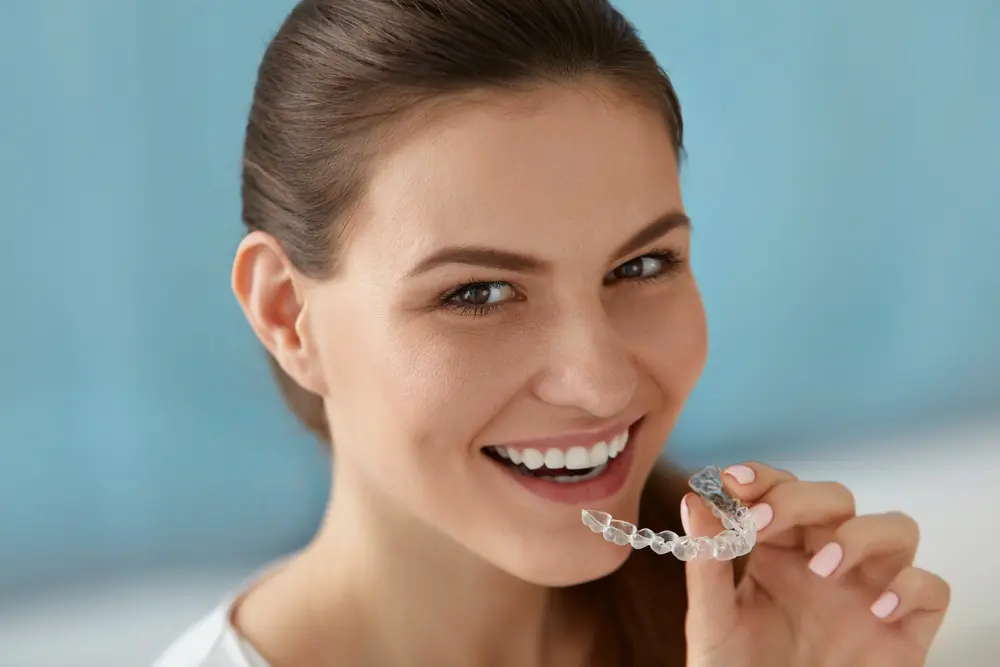
Invisalign uses clear aligners to shift teeth. Each set makes small, precise moves. Over time, tooth movement adds up. Teeth alignment improves. Bite alignment improves. Many patients love the comfort and convenience. According to Dr. Shalise Holt, a leading orthodontist in Twinsburg, OH, Invisalign aligners are uniquely designed to address overbites efficiently, ensuring steady improvements with minimal disruptions to daily life. The aligners are smooth and removable. This makes daily life easier.
Some severe cases or jaw misalignment may call for other treatment types. Braces or hybrid plans can be best for high complexity needs. At your consultation, we review all treatment options and match the plan to your goals.
The Invisalign treatment process at Farr Orthodontics
- Consultation and bite analysis
- Meet our orthodontist and share your smile goals.
- We review your teeth, bite, and jaw function.
- We use modern bite analysis tools and imaging tools.
- Our scanning technology maps your mouth in detail. No messy molds.
- Diagnosis and treatment plan
- We study the severity and complexity of your case.
- We design a custom Invisalign treatment plan step by step.
- You see treatment previews and a likely treatment timeline.
- We discuss treatment types and any alternatives if needed.
- Custom aligners and smart features
- You receive a series of clear aligners made to fit you.
- Each set is worn in sequence to guide safe tooth movement.
- Small tooth-colored attachments may help with harder moves.
- Elastics can help guide the bite. They support jaw alignment.
- In deep-bite cases, bite ramps or bite turbos may be used.
- Follow-up and refinements
- You come in for follow-up visits on a set schedule.
- We check fit and track progress.
- We make bite adjustments or refinements if needed.
- Patient compliance—wearing aligners as directed—keeps you on track.
Most patients wear aligners 20–22 hours a day. Remove them to eat, to drink anything but water, and for brushing and flossing. Many people switch to a new set every 1–2 weeks, as directed.
Daily life with Invisalign
- Eating: Take the trays out for meals and snacks. Enjoy your favorite foods. Rinse, brush, and place the aligners back in.
- Speech: Some people notice a slight lisp at first. Read out loud for a few days. It fades as you adjust.
- Cleaning: Rinse aligners with cool water. Use mild soap or a clear aligner cleanser. Avoid hot water. It can warp the trays.
- Oral hygiene: Brush and floss after meals. Clean trays before putting them back in. Good oral hygiene supports better treatment results.
- On the go: Keep a case and a travel brush with you. Set phone reminders for aligner changes. These small lifestyle adjustments help a lot.
How long does Invisalign take?
Many overbite cases finish in 6–18 months. Some finish faster. Some need more time. Timing depends on severity, biology, and wear time. A clear treatment timeline is part of your plan. We explain each phase of your Invisalign journey before you start.
What affects success?
- Case severity and bone health
- Patient compliance with wear time
- Tray care and oral hygiene
- On-time follow-up visits
- A clear treatment strategy and prompt refinements
Invisalign vs. braces
- Braces: Great control for complex cases. Fixed full time. Strong for hard tooth moves and deep corrections.
- Invisalign aligners: Clear, smooth, and removable. Great for many mild to moderate overbite cases. Easier brushing and flossing. Often fewer office visits.
Orthodontic technology that supports your care
We use modern orthodontic technology to plan safe, precise moves. Our scanning technology creates a 3D map of your teeth and bite. Software helps us design each step. In many cases, labs use 3D printing technology to create models or appliances. These tools improve planning, comfort, and patient satisfaction. They also support clear treatment previews and steady progress.
Costs, insurance coverage, and payment options
Costs vary by case complexity, timeline, and tools used. Attachments, elastics, and refinements can affect costs. At your consultation, you get a clear written estimate before you start.
- Insurance coverage: Many plans include an orthodontics benefit. Some cover Invisalign like braces. Others have limits or waiting periods. We verify benefits and explain your coverage.
- Payment options: Flexible financing is available. We offer payment plans to spread costs over time. HSA and FSA funds can reduce out-of-pocket costs with tax savings.
Retention after treatment
Retainers hold your new bite and teeth alignment in place. Without retention, teeth can shift back.
- Wear retainers as directed—often full-time at first, then nights.
- Clean retainers with cool water and a gentle cleanser.
- Keep up with dental cleanings and orthodontic follow-up.
- Call us if a retainer cracks or feels loose.
Good retention protects your results and your investment.
Who is a good candidate?
- Teens with most adult teeth in place
- Adults with mild to moderate overbite
- Patients who can wear aligners as directed
- People who want discreet care and easy maintenance
If your case is severe or includes jaw misalignment, we will discuss other treatment options. A hybrid plan with braces or other bite correctors may be best. We always match the method to your treatment goals and your bite.

Why choose Farr Orthodontics in Georgetown?
- Local orthodontic services with a friendly touch
- Clear plans, precise mapping, and step-by-step guidance
- Focus on comfort, convenience, and patient satisfaction
- Collaboration with your general or family dentistry team when needed
- Aesthetic dentistry insights to support smile goals
- Support at every stage of your Invisalign treatment process
Start Your Journey Today
Ready to find out if Invisalign can fix your overbite in Georgetown, TX? At Farr Orthodontics, we specialize in creating customized Invisalign treatment plans designed to improve your bite and give you a confident, lasting smile. Whether your case is mild or more complex, our team will guide you every step of the way with expert care and advanced technology.
Don’t wait to take the first step toward a healthier smile—schedule your Invisalign consultation with Farr Orthodontics in Georgetown today!
About the Authors
Dr. Samantha Farr – Orthodontist in Georgetown, TX
Dr. Natalie Yang – Orthodontist in Vacaville, CA
Frequently Asked Questions
Can Invisalign completely fix an overbite?
For mild to moderate overbites, Invisalign often works very well, gradually moving teeth into their ideal positions. In more complex situations, though, your orthodontist might recommend combining Invisalign with other treatments or choosing traditional braces to ensure the best results.
Can you eat with Invisalign?
Yes, you can eat with Invisalign—but you’ll need to take your aligners out first. The good news is that, unlike braces, there are no food restrictions. You can enjoy all your favorite meals without having to worry about damaging brackets or wires.
Will insurance cover Invisalign?
Invisalign coverage differs by insurance provider—some handle it just like traditional braces, while others have separate rules. The best way to find out is to check your policy or call your insurance company directly. They can provide a clear explanation of what’s covered and what expenses you may need to pay out of pocket.