
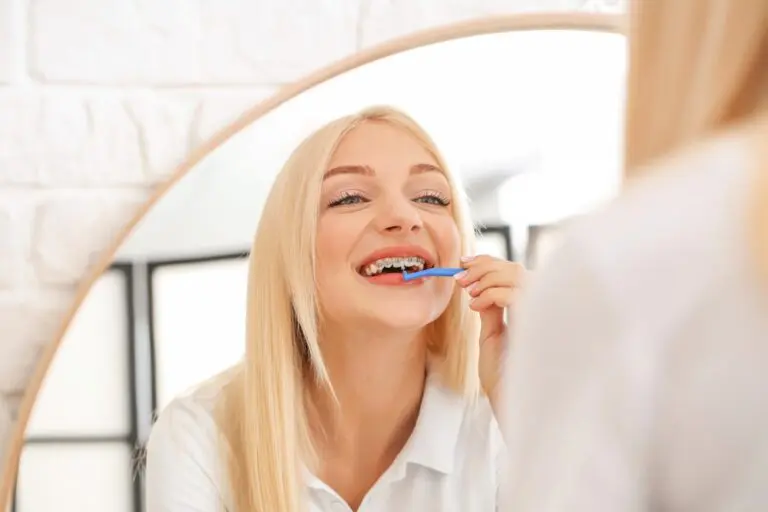
Are you wondering how to floss with braces in Georgetown, TX? Use a floss threader to get waxed floss under your braces wire. Gently wrap it around each tooth and move it up and down to clean. Avoid snapping the floss.
Learn more by reading the full article on proper braces hygiene.

Why Flossing Matters When You Have Braces
Braces straighten your teeth, but they make cleaning harder. Brackets, wires, and archwires create small gaps where food particles and plaque can collect. If you skip flossing, plaque buildup could lead to gum disease, tooth decay, and bad breath.
Flossing protects your teeth and stops gumline problems from developing. Healthy gums also support effective orthodontic care, ensuring that your braces treatment delivers the best results. According to Dr. Sebastian Paige, a professional orthodontist in Kingwood, TX, consistent flossing prevents gum inflammation and contributes to faster and more effective orthodontic outcomes.
Tools to Make Flossing with Braces Easier
Using the right flossing tools can make a big difference. Here are some handy options to try:
1. Floss Threaders
Floss threaders are simple tools that help guide dental floss under the wires of your braces. These allow you to clean between each tooth and alongside your brackets. Farr Orthodontics provides floss threaders to make it easier for patients to adjust to their new flossing routine.
2. Water Flossers
A water flosser uses a gentle water stream to remove plaque and food debris. These are extremely helpful if handling string floss is tricky or if you have gum sensitivity.
3. Orthodontic Floss
Orthodontic floss is stiffer and more durable than regular floss. Its firm design makes it easier to clean under archwires when used with a floss threader.
4. Superfloss
Superfloss has a spongy texture and works well for cleaning around wires, brackets, and along the gumline. It’s designed to remove trapped food and plaque from tight spaces.
5. Floss Picks and Interdental Brushes
Floss picks and interdental brushes are quick and effective for cleaning hard-to-reach spots. They’re excellent for patients who struggle with traditional flossing techniques.
Where to Find Flossing Tools
Floss threaders, water flossers, superfloss, and other cleaning tools can be found at most local stores and online retailers. Many orthodontic offices, including Farr Orthodontics, also provide starter kits equipped with flossing tools, educational instructions, and helpful tips.
Step-by-Step Guide to Flossing with Braces
Consistency and practice make flossing easier over time. Use this step-by-step technique to keep braces clean and gums healthy:
Step 1: Prepare Your Floss
Cut 18 inches of floss and thread it through a floss threader. Use the threader to move the floss under the wire and between two teeth. Make sure you have enough floss to hold a clean section for each space. Take your time so you don’t tug too hard or bend the wire.
Step 2: Clean Between Teeth
Curve the floss into a “C” shape and slide it gently up and down along the base of each tooth and gumline. Do this carefully to avoid damaging your gums or brackets. Do this carefully to avoid damaging your gums or brackets. Repeat this step for every tooth, using a new part of the floss each time.
Step 3: Use a Water Flosser
To clean areas that floss might miss, use a water flosser. Aim the water jet between your teeth and around orthodontic appliances. Use a soft water pressure setting at first to protect sensitive gums.
Step 4: Finish with Brushing
After flossing, brush your teeth with a soft-bristle toothbrush and fluoride toothpaste. Use small circular motions to clean around brackets, archwires, and along the gumline. A fluoride mouthwash can also protect against plaque buildup and strengthen your enamel.
Tips for Different Types of Braces
The way you care for your teeth depends on the type of braces you wear:
- Traditional Metal Braces: Take care to guide floss gently under the wire for proper cleaning.
- Clear Ceramic Braces: Handle floss carefully to avoid cracking fragile brackets.
- Lingual Braces: These aligners sit behind your teeth, so a water flosser is ideal for extra precision.
- Self-Ligating Braces: These braces have fewer parts but still require careful flossing to protect your gums.
Common Challenges and How to Solve Them
Flossing with braces may be tricky, but these solutions can make it easier:
Challenge 1: Sensitive Gums
If your gums feel sore, try rinsing with warm salt water after flossing. Use gentle movements and consider using a desensitizing toothpaste for added comfort. As your gums get used to regular flossing, the soreness will lessen. Staying consistent helps your gums grow stronger over time.
Challenge 2: Hard-to-Reach Spaces
Some spots are harder to access with floss. Try a water flosser or interdental brush to clean around brackets and along your gumline. These tools reach small gaps that regular floss might miss. Using them daily can make cleaning faster and more thorough.
Challenge 3: Trouble with String Floss
If string floss feels awkward, use floss picks or invest in a harp orthodontic flosser. These tools are easier to handle and save time. They’re also great for travel and quick cleaning after meals.
Oral Care After Braces
Once your braces are removed, continuing good oral hygiene practices is the key to maintaining your healthy smile.
Wear Your Retainer
Retainers hold your teeth in place and stop them from shifting back. Follow your orthodontist’s instructions on how often to wear yours. Wearing it as directed helps protect your smile and prevents the need for more treatment later. According to Dr. Yajun Cui, a highly recommended orthodontist in Arlington, MA, not wearing your retainer as told is the main reason teeth can get crooked again.
Stick to a Flossing Routine
Flossing remains crucial for removing plaque and preventing gum disease and cavities. Incorporate it into your daily routine for best results. Regular flossing keeps your gums strong and helps your breath stay fresh.
Regular Checkups
See your dentist and orthodontist every six months to ensure your teeth and gums stay healthy over time. These visits allow your providers to catch small problems early. They also help you keep your smile in top shape.
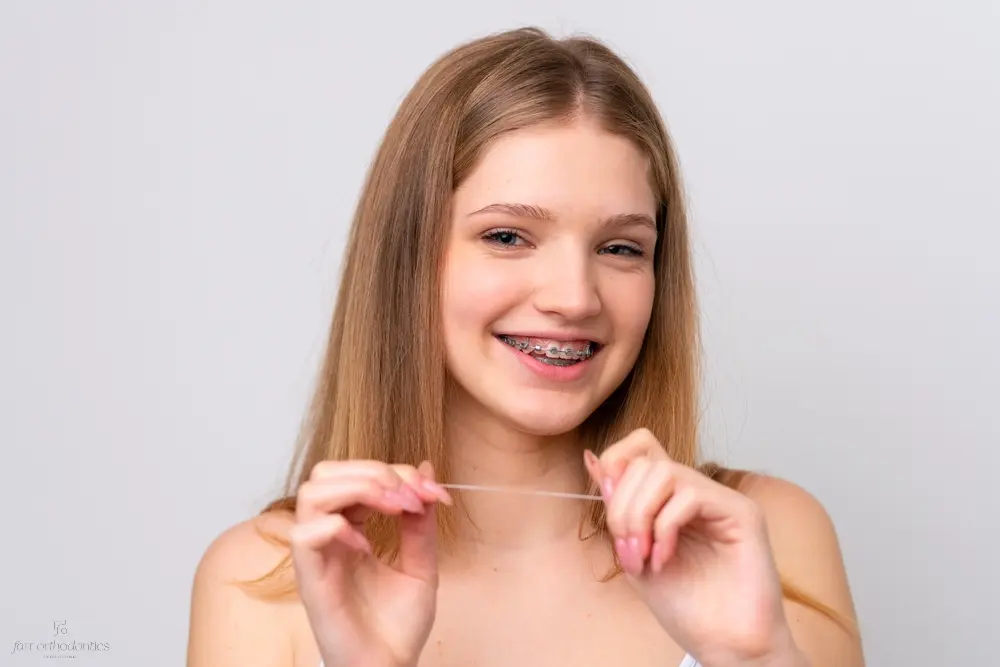
Professional Care at Farr Orthodontics
At Farr Orthodontics, we’re committed to helping patients maintain great oral hygiene during their treatment. From personalized demonstrations to providing cleaning tools, we ensure your smile stays healthy and strong.
What We Provide:
- Hands-On Lessons: Learn proper techniques for flossing with braces at your appointments.
- Customized Kits: Our starter kits include everything you need, such as floss threaders, proxy brushes, and superfloss.
- Ongoing Support: We’re here to address any challenges, like managing tooth decay, tight spaces, or broken brackets.
Take the First Step Toward Better Oral Health
Flossing with braces doesn’t have to feel overwhelming. With the help of Farr Orthodontics, you’ll master the right flossing techniques and tools in no time. Schedule an appointment today at our Georgetown office, and let us help you achieve a beautiful, healthy smile.
About The Authors
Dr. Samantha Farr – Orthodontist in Georgetown, TX
Dr. Sebastian Paige – Orthodontist in Kingwood, TX
Frequently Asked Questions
How can I tell if I’m flossing correctly?
Use about 18 inches of floss. Slide it gently between your teeth and curve it in a C-shape around each tooth. Move it up and down, not just back and forth. A squeaky sound means you’re doing it right. A little bleeding at first is normal and should stop with regular flossing. Don’t forget your back teeth! If you’re unsure, ask your dentist to show you at your next visit.
What to do if there is no floss?
If you don’t have floss, you still have options. You can use dental picks, interdental brushes, or a water flosser if you own one. In a pinch, a clean thread, a strong strand of hair, or even the corner of a folded paper can help. Swishing water around your mouth also helps remove food. These aren’t perfect, but they’re better than skipping. Be gentle so you don’t hurt your gums.
Is it better to floss at night or in the morning?
Flossing at night is best because it clears away food and plaque from the whole day. This keeps bacteria from building up while you sleep. But if morning works better for you, that’s fine too. What matters most is flossing once a day, no matter when.