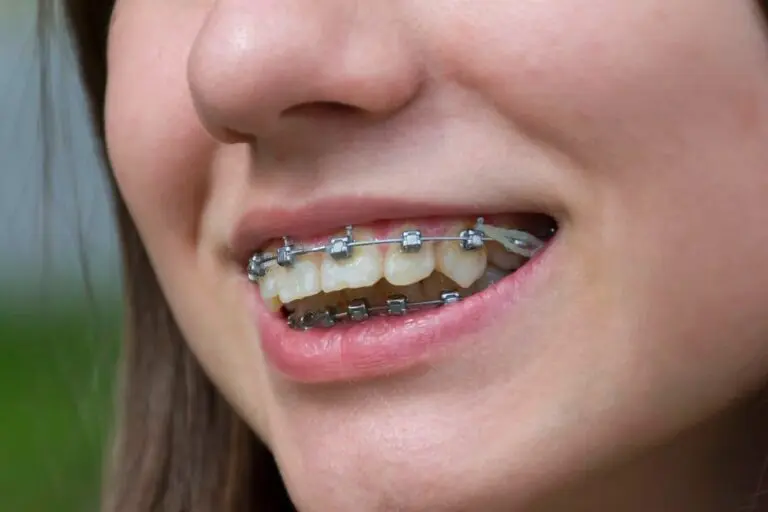

Trying to figure out how to get braces glue off teeth in Georgetown, TX? Orthodontists use special equipment to gently clear the glue without scratching your enamel. If you notice leftover glue, don’t try scraping it off alone. Keep reading to learn why the adhesive is difficult to remove and why doing it yourself can cause enamel damage.

What Is Orthodontic Adhesive, and How Is It Removed?
Orthodontic adhesive is a special bonding material that sticks brackets to your teeth. It’s designed to hold up to everyday actions like eating, drinking, and brushing. This ensures your braces stay secure throughout the treatment process.
After your treatment ends, your orthodontist will gently remove the leftover adhesive. Using special tools such as polishing tools and adhesive removers, they will clean your teeth carefully. These methods protect your enamel while ensuring every tooth is left smooth, polished, and free of residue.
Why Is Braces Glue So Tough to Remove?
Braces glue is made to form a strong bond with your teeth, so your braces stay securely in place. But this strength also makes braces adhesive removal tricky. Improper methods can scratch your teeth or leave adhesive remnants, which can cause discomfort, plaque accumulation, or gum irritation if not addressed properly.
Using professional removal ensures your orthodontist can protect your enamel while removing all traces of the glue. This is why seeking orthodontic help is always better than attempting DIY methods.
Why DIY Adhesive Removal Is Not a Good Idea
Removing braces glue by yourself may seem like a quick solution, but it can cause more harm than good. Here are the main risks of DIY removal methods:
1. Enamel Damage
Using sharp tools like pins, knives, or scissors to scrape glue off your teeth can harm your enamel. Once enamel is scratched or damaged, it cannot grow back. Damaged enamel leads to tooth sensitivity and increases the risk of cavities or decay.
2. Leftover Adhesive Residue
Home methods often fail to remove all the adhesive. This leaves small pieces of glue residue on your teeth, creating rough patches. These patches can collect plaque and bacteria, which may cause discomfort and harm your oral hygiene. As Dr. Mark Komforti, a well-known orthodontist in St. Augustine, FL, explains, rough glue spots can also trap food and make it harder to keep teeth bright and clean.
3. Tooth Sensitivity
DIY techniques, such as scrubbing with baking soda paste or using harsh chemicals, can make your gums sore or expose sensitive parts of your teeth. This can cause pain, especially when eating or drinking hot or cold foods.
Common Mistakes to Avoid with Braces Glue Removal
If you want to protect your teeth and gums, be careful to avoid these mistakes:
- Avoid Sharp Tools: Do not use objects like knives, needles, or toothpicks to scrape glue from your teeth. These can leave permanent scratches or damage.
- Stop Using Harsh Chemicals: Items like baking soda paste, vinegar, or lemon juice may seem helpful but can strip minerals from your enamel. This weakens your teeth and makes them more sensitive.
- Hold Off on Whitening Strips: Whitening strips may improve your smile, but they can irritate newly sensitive teeth after braces removal. Ask your dentist or orthodontist when it’s safe to start whitening.
How to Care for Your Teeth After Braces Glue Removal
After your orthodontist removes the adhesive, the right aftercare routine plays a big role in keeping your enamel strong and your smile feeling comfortable. Simple daily habits can help protect newly polished teeth and prevent sensitivity or plaque buildup. After the adhesive is removed, follow these tips to maintain a smooth, healthy smile:
1. Brush and Floss Daily
Use a soft-bristle toothbrush and fluoride toothpaste to clean your teeth twice daily. Fluoride strengthens your enamel and helps prevent plaque. Incorporate flossing into your routine to remove food particles stuck between teeth. If flossing feels uncomfortable, try using a water flosser as a gentle alternative.
2. Rinse with Fluoride Mouthwash
Fluoride mouthwash provides extra protection for your enamel. Rinse once a day to strengthen enamel and reduce plaque buildup. This step keeps your teeth strong after braces removal. According to Dr. Fateh Arslan, a dedicated orthodontist in San Antonio, TX, fluoride not only strengthens enamel but also helps repair any areas weakened during treatment.
3. Use a Saltwater Rinse to Soothe Gums
If your gums feel tender after the adhesive removal process, rinse with warm salt water. Mix half a teaspoon of salt in a cup of warm water, swish it around your mouth for 30 seconds, and then spit it out. Saltwater helps soothe irritation and promotes healing.
Long-Term Tips for Protecting Your Smile
Even after braces removal, it’s important to follow good oral hygiene practices. This will keep your enamel healthy and prevent issues like plaque buildup or enamel discoloration. Here’s how:
- Stick to Your Routine: Brush, floss, and use mouthwash daily to maintain strong enamel and a bright smile.
- Visit the Dentist Regularly: Schedule cleanings every six months to ensure your teeth stay smooth, polished, and free of plaque or leftover adhesive.
- Eat Enamel-Friendly Foods: Foods rich in calcium, like cheese, yogurt, and leafy greens, help maintain strong teeth. Avoid sticky or sugary snacks that could harm your enamel.
What to Expect During Adhesive Removal at Farr Orthodontics
If you recently had your braces removed, you’ll need an adhesive removal appointment. Here’s what to expect:
Before Your Appointment
Brush thoroughly to remove food and plaque. Avoid eating sticky or hard foods before the appointment, as they could complicate the process. Write down any questions or concerns to discuss with your orthodontist.
During the Appointment
The actual adhesive removal takes about 30 to 45 minutes. Your orthodontist will use advanced polishing tools that gently remove the adhesive while protecting your tooth enamel. This step is painless for most patients and leaves the teeth smooth and clean.
After the Appointment
After adhesive removal, follow your orthodontist’s instructions for post-care. Stick to a soft-food diet for the first couple of days, and avoid hard or sticky foods until your teeth adjust. Proper care helps prevent irritation or scratches on newly cleaned enamel.

Why Choose Farr Orthodontics in Georgetown, TX?
At Farr Orthodontics, we specialize in safe braces glue removal and enamel-friendly care. Our office in Georgetown, TX, is equipped with advanced tools to ensure the adhesive removal process is smooth, gentle, and effective. We focus on tooth safety, comfort, and long-term oral health.
Whether you completed your orthodontic treatment with us or another provider, our experienced team at Farr Orthodontics is here to help you achieve a polished, smooth smile.
Trust Farr Orthodontics for Safe Braces Glue Removal
At Farr Orthodontics in Georgetown, TX, we’re proud to provide safe, gentle, and effective adhesive removal services. Don’t risk your health with DIY methods at home. Schedule a consultation with our team for professional care. We’re here to ensure your smile looks great and feels even better.
About The Author
Dr. Samantha Farr – Orthodontist in Georgetown, TX
Dr. Fateh Arslan – Orthodontist in San Antonio, TX
Frequently Asked Questions
How permanent is dental glue?
Dental glue is strong, but it is not permanent. It is made to hold your braces in place for the full treatment time. When your braces are ready to come off, your orthodontist can remove the glue safely. So, it lasts long enough to do its job, but it is not meant to stay on your teeth forever.
Does removing braces glue damage teeth?
No, removing braces glue does not damage your teeth when done by a trained orthodontist. They use special tools to gently take off the glue. After that, they polish the surface of your teeth so it feels smooth again. Your teeth will be just as healthy as before.
What is the average cost to remove braces glue?
The cost can vary by clinic, but removing braces glue usually costs around $60 to $200. In many cases, the cost is already included in the full braces removal fee, so you might not have to pay extra. It depends on your orthodontist’s pricing.